A Treatise on Plastic Treatment
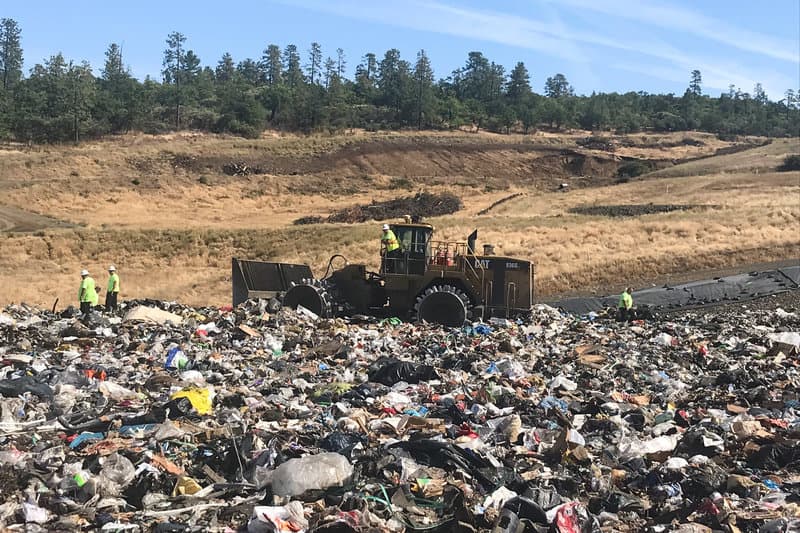
Plastic polymers are a feat of material engineering, featured everywhere. It is used to store food, create tools, and design our technology. It is also a major waste. In 2017, 5.6 million tons of plastic were combusted in incinerators (1). 26.8 million tons of plastic were put in dumps (1). The pleasures plastic provides comes a price. Recycling is currently the best way we have of paying for the piles of plastic we’ve produced. If we do not pay our debt through recycling, landfills will fill our land instead.
https://www.npr.org/2020/09/11/897692090/how-big-oil-misled-the-public-into-believing-plastic-would-be-recycled
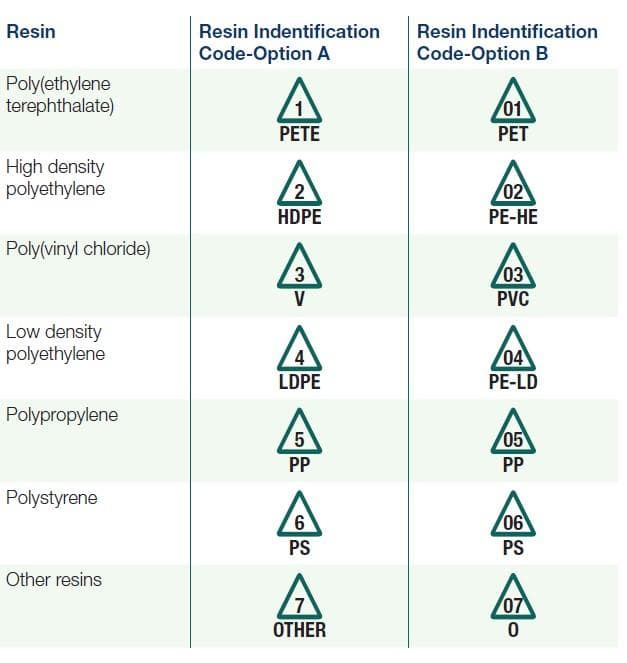
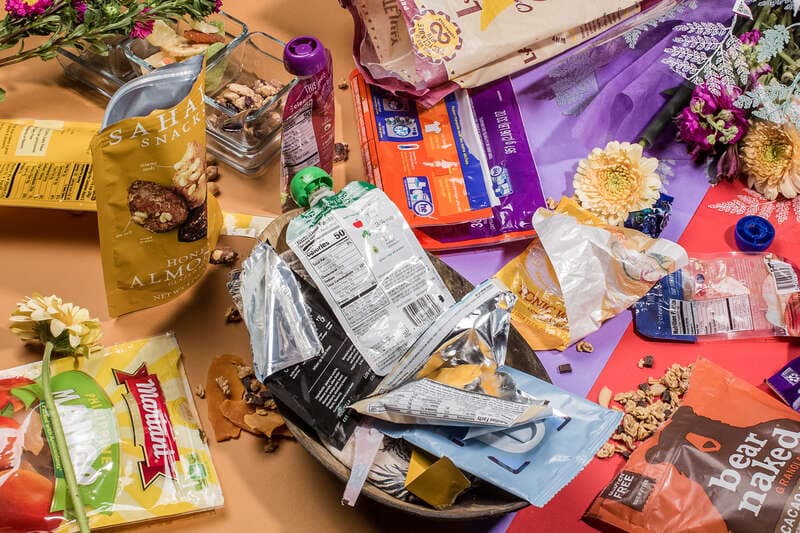
We want to save as much plastic as we can. The big question is, what kinds of plastic can be recycled. With the swath of plastics out there, it can be difficult to determine. As it turns out, a good chunk of plastics are best off being disposed of. Aluminum lined plastics (i.e., chip bags, candy wrappers), plastic wrap, and small pieces of plastic are difficult for most recycling plants to filter (2). However, there are plenty of plastics that can be recycled. Plastic bottles and containers are the strongest candidates for recycling, with nearly all recycling plants capable of treating them. Most plastics products have labels on them, which identify their type. Plastics 1, 2, 4 and 5 are generally safe to recycle (3). Though, one should contact their local municipality to best find out what kinds of plastics can be recycled.
https://apps.npr.org/plastics-recycling/:
To understand what plastics can be recycled, it helps to have an idea of the plastic recycling process. Recyclable plastics are first collected and sent to a recycling facility. There they are sorted via machines, by color and type. Plastics are then washed and cleaned of any labels or adhesive residue. These stages are critical to maintaining the plastic integrity during later steps, and failure requires resorting of the batch (3). Plastics are then shredded into granular particles. From here, the particles are tested for their properties: density, air classification (behavior in a wind tunnel), melting point, and color (3). Finally, plastic particles are organized by type again, to be compounded and melted together into pellets. These pellets can go on to be reused at other manufacturing plants, to create new products.
Admittedly, there are issues with recycling that have arisen over the years. In 2018, China notably pulled out of a trade deal for American recycled plastics. Due to this, recycling plants throughout the U.S.A. have been caught in a desperate search for companies willing to buy their recycled plastics. Additionally, there is a cap on the amount of times the resin in plastic can be recycled. Generally, it can only be recycled three times, before being unusable (4). Finally, there is still a lack of public awareness. Many people misread labels on plastic products, and accidentally recycle plastics that should not be recycled. Others simply don’t care for recycling, choosing to put perfectly reusable materials in the waste.
https://apps.npr.org/plastics-recycling/
Despite the issues that recycling faces, it remains incredibly important. It is estimated that only a third of all plastic bottles get recycled (2), and that only ten percent of all plastics have ever been recycled (4). This can easily be improved upon if everybody were to pitch in and do their part. Take the time to study the plastics you dispose of each week and consider which ones can be recycled. The problem of plastic waste, and waste in general, looms large on modern society. While recycling is not a complete solution, it is an essential component. We must do what we can today to bring about a better tomorrow.
By: Christian Mueth
References:
https://www.epa.gov/facts-and-figures-about-materials-waste-and-recycling/plastics-material-specific-data
https://apps.npr.org/plastics-recycling/:
https://greentumble.com/how-is-plastic-recycled-step-by-step/
https://www.npr.org/2020/09/11/897692090/how-big-oil-misled-the-public-into-believing-plastic-would-be-recycled