LEDS vs. Incandescent Lightbulbs: Shedding a Light on the Difference
The lightbulb is a crown jewel of invention, commonly credited to Edison and his company of General Electric. However, the lightbulbs that we use today are quite different than the lightbulbs of yesteryear. GE’s original lightbulb was of the incandescent variety. Though, the lightbulbs mostly used today are actually LED lightbulbs.
LED Lightbulbs - Difference Between LED and Incandescent | Difference Between
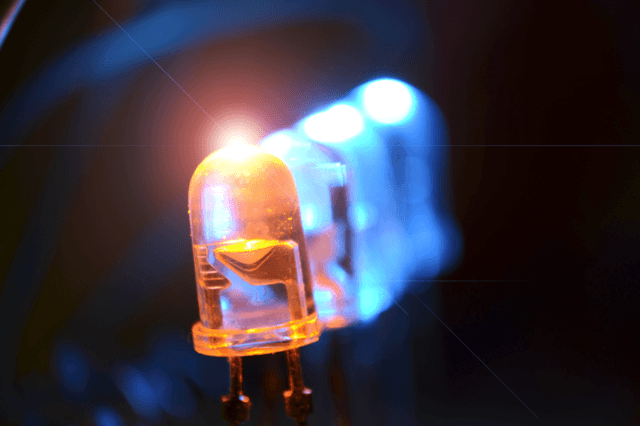
The way that incandescent lightbulbs work is by flowing electricity through a tungsten filament, causing the filament to give off a warm glow. Generally, lightbulbs are filled with an inert gas (oxygen would enflame) and heated to up 2200 degrees centigrade (1). Meanwhile, Light Emitting Diodes (LEDs) work from an electric circuit, which sends charged electrons between a cathode and anode through a semiconductor. The semiconductor is generally made of aluminum-gallium-arsenide. This electrical circuit concentrates electrical energy and gives off the electroluminescent glow needed to light up a room.
While there is a certain charm and nostalgia about the concept of incandescent lightbulbs, LED lights are vastly superior. Firstly, incandescent lights have the shortest lifespans of any lighting system. Standard incandescent lights only last for 1,000 to 2,000 hours. Meanwhile, LED lights are estimated to have 25,000 to 30,000 hours of lifespan (1). A more important factor is energy efficiency. Incandescent bulbs waste 90% of the energy they use as heat, whereas LED lighting systems use 35 to 80% of their energy for lighting (1). While LED lightbulbs tend to cost a bit more than incandescent bulbs, the investment is more than worth it. In the long run, this amounts to massive energy savings.
The advantages of LEDs don’t stop here, however. LEDs are also mercury free, unlike incandescent bulbs (2). Incandescent bulbs have continuous flickering as well, due to gas movement, while LEDs produce a continuous flow of light (2). Finally, LEDs have far more control than incandescent bulbs. Depending on the lightbulb, one can easily alter the directionality, color, and brightness of the light.
Plenty of homes still have incandescent lights. Though, it is worth considering making the transition to LEDs. Their clever design will help improve the environment, one’s living space, and one’s wallet. In every respect, LEDs are the superior technology.
Sources:
Difference Between LED and Incandescent | Difference Between
LED Light Bulbs VS Incandescent Lamps: 10 Hard True Facts - 12Vmonster Lighting and More!